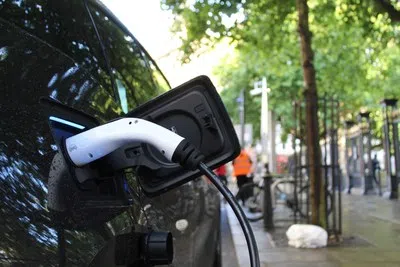
Our cold winters have an impact on electric vehicles, according to the Canadian Automobile Association.
The organization road-tested 14 EVs in temperatures between – 7 and – 15 to learn how far they went before the batteries died and how long they took to charge.
All drove 14 to 39 per cent less in frigid weather than their official range, which is based on overall, year-round numbers.
They also found significant variations in how much charge an EV could gain in 15 minutes, which they say highlights the importance of considering charging rates if you frequently drive long distances.
Because CAA’s results show the difference sub-zero weather makes, they say they would like to see made-in-Canada standardized labelling that includes winter driving performance.
 Ways to improve your EV’s winter driving performance
CAA has a few tips for drivers on ways to maximize EV performance in cold weather:
- Precondition the EV: Warm the cabin while it is plugged in before starting your
drive. Many EVs allow you to schedule preconditioning for a specific departure time,
which maximizes range and comfort. - Clear Snow and Ice: Remove excess snow and ice from the vehicle to reduce
weight and aerodynamic drag, helping to extend your range. In fact, in some
provinces this is the law, ensuring drivers can see where they are going and keeping
roads safer. - Use Heated Seats: Heated seats consume less energy than cabin heaters, allowing
you to conserve battery power. - Park Indoors: Whenever possible, park in a garage or other sheltered area to keep
the battery warmer, which can improve both range and charging speed. If not
possible, park the car on the sunny side of the street.